
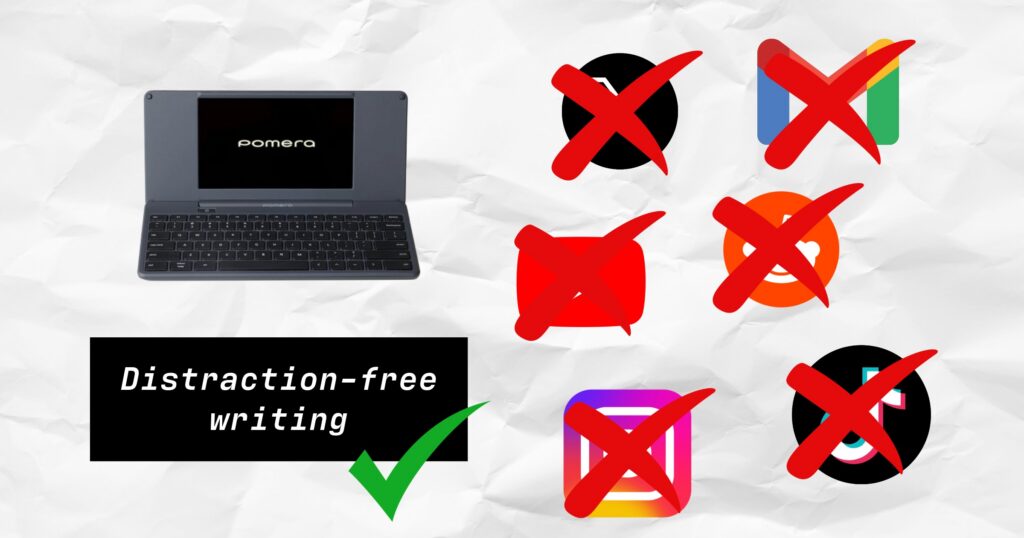
Have you ever found something on the internet that sent you down a vast, exciting, and potentially expensive rabbit hole?
Yesterday, I was combing through FredMiranda’s latest photo and tech listings when I stumbled across an oddly named piece of tech: the King Jim Pomera DM250. At first glance, it looked like a laptop, but it was unusually minimal and didn’t have a typical laptop screen. The listing didn’t say much about it, so naturally, I asked ChatGPT what the heck this thing was.
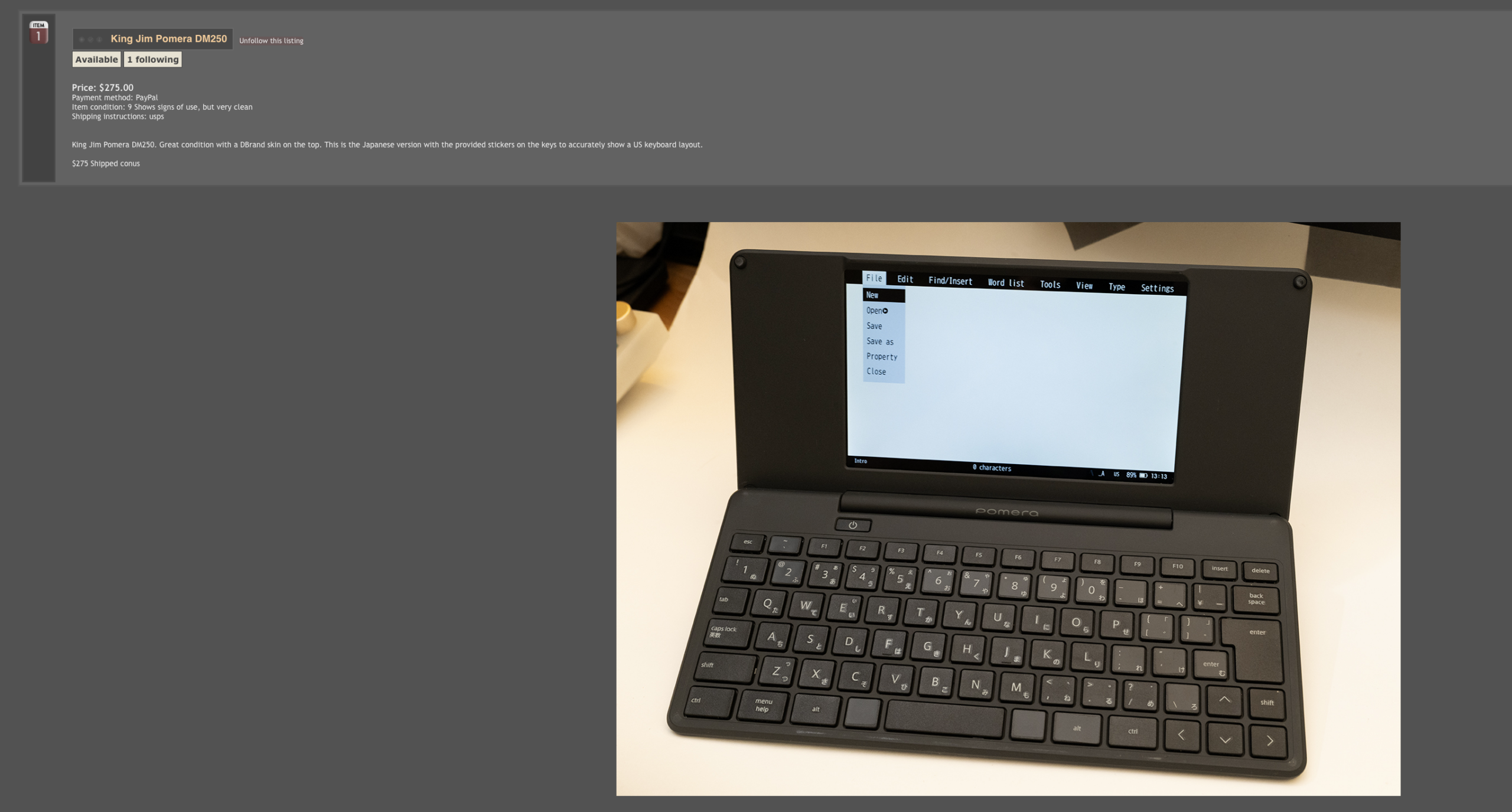
The gist? It’s a modern digital typewriter—a tiny, stripped-down laptop designed almost entirely for distraction-free writing. No conventional web browser, no social media. You open it, it starts up, and you write.
I’ve toyed with the idea of “dumb phones” in the past, so the Pomera definitely caught my attention. After a few back-and-forths with ChatGPT, I moved over to Google for a more “manual” search. I wanted to know two things: what did people think of this device, and were there cheaper alternatives?
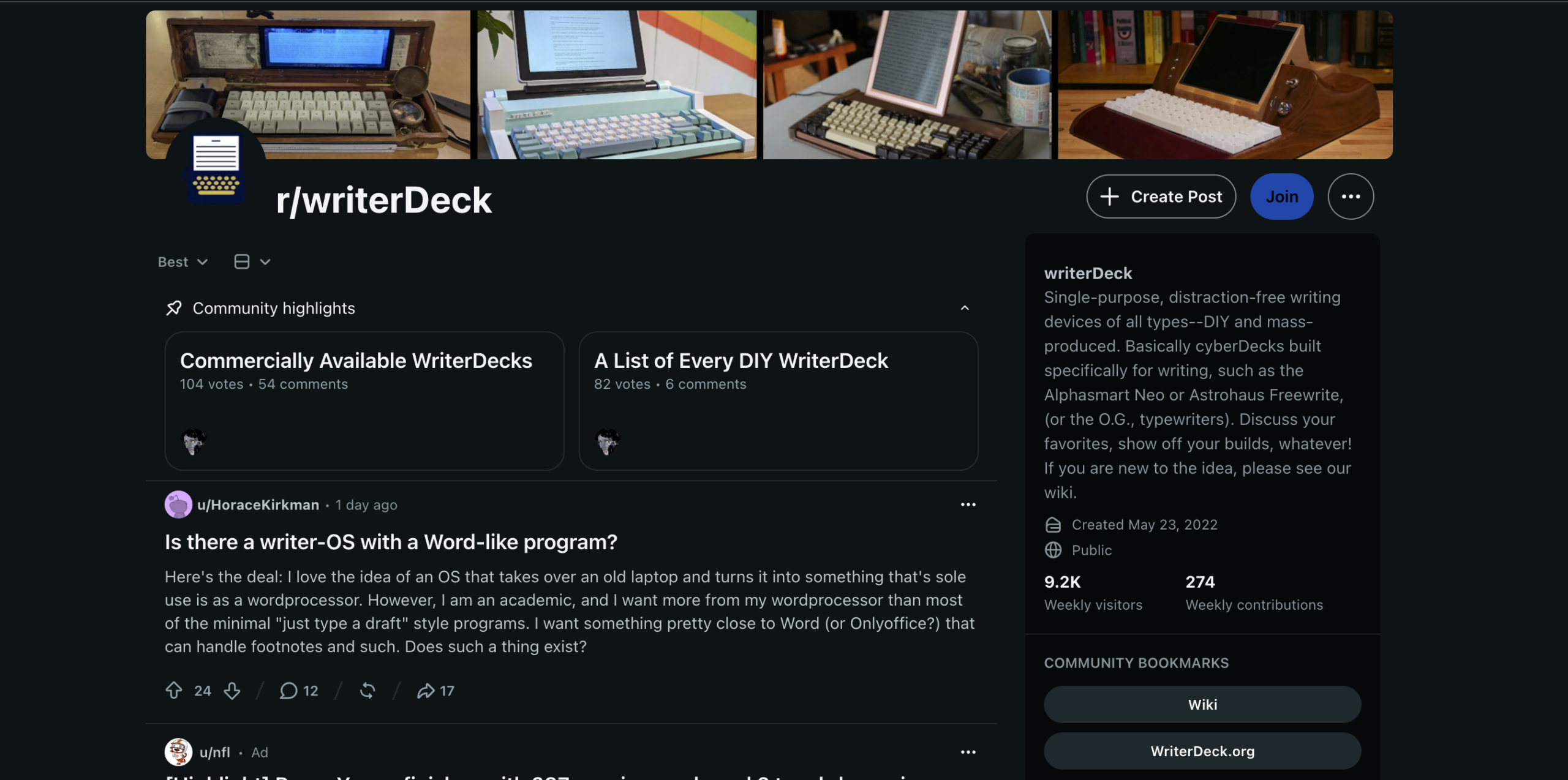
Google being Google, the first result I found was a Reddit review. It didn’t offer much detail, but the subreddit caught my attention: r/WriterDeck.
If you’ve somehow managed to avoid Reddit, it’s basically home to a community for anything and everything you can think of. As it turns out, that includes people who build, buy, and obsess over single-purpose, distraction-free writing devices.
Welcome to r/WriterDeck.
The subreddit seemed to lean more toward DIY builds than mass-produced devices, which made things interesting. A few takeaways from my browsing:
- Older laptops and netbooks can make good WriterDecks. Even lower-spec machines can get a new lease on life with an operating system and tools focused on writing.
- Old phones or e-readers paired with a Bluetooth keyboard are another option. They’re portable, though you have a few separate pieces to carry around and set up.
- Pomera, Freewrite, and BYOK are some of the commercial options that come up.
- 3D-printed builds leave plenty of room for customization.
Oh, a 3D-printed WriterDeck, you say?
I have a 3D printer.
I think you can see where this is going.
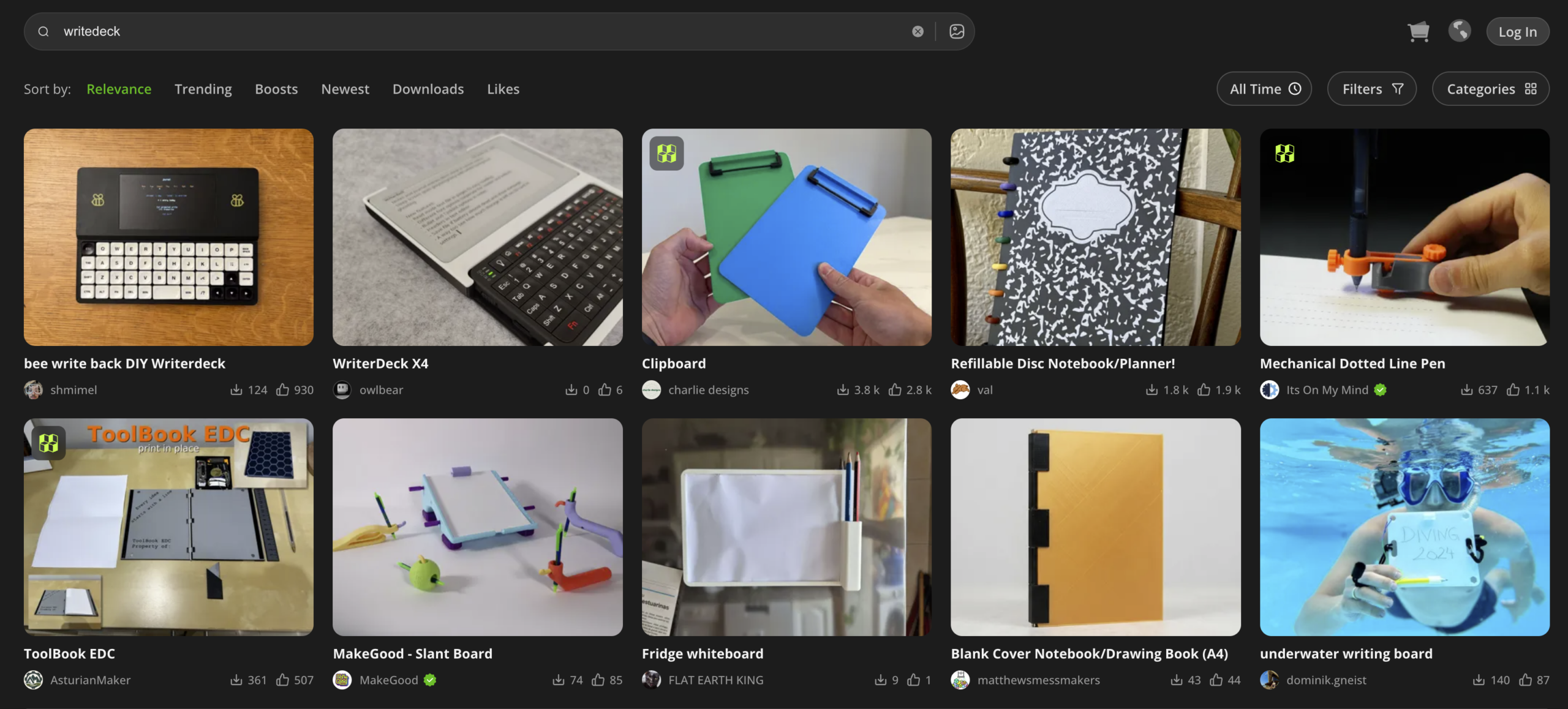
Once I realized my printer might have a future beyond drawer organizers and toothbrush covers, I headed over to Bambu Lab to see what other people had designed. There were a few options, but nothing that made me want to hit “print” right away.
Naturally, I went back to ChatGPT. This time, though, the conversation went from “what is this thing?” to “how do we build one?” Before long, we were working through designs and components for my own 3D-printed WriterDeck.
I’ll save that part for another post. For now, I’ve somehow gone from browsing used camera gear to planning a custom digital typewriter—all so I can write with fewer distractions.
The irony is not lost on me.